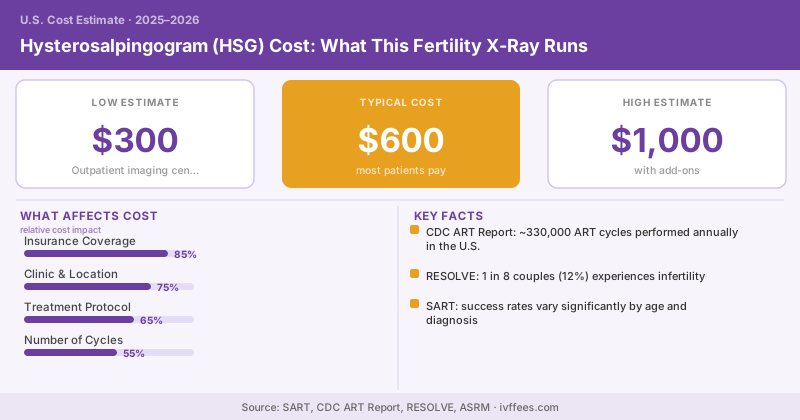
What does an HSG actually cost — and is that cramping worth it? For most patients starting a fertility workup, the answer is yes: this X-ray test, which checks whether your fallopian tubes are open, is one of the most informative and comparatively affordable steps in early infertility evaluation.
What an HSG Actually Costs
| Facility Type | Low End | Typical | High End |
|---|---|---|---|
| Outpatient imaging center | $300 | $600 | $1,000 |
| Fertility clinic (in-house) | $500 | $850 | $1,400 |
| Hospital radiology department | $900 | $1,600 | $2,500 |
| With insurance (copay/coinsurance only) | $0 | $150 | $500 |
The procedure itself — injecting a contrast dye through the cervix and taking X-ray images as it moves through the uterus and fallopian tubes — is identical regardless of facility. The price difference is almost entirely about facility overhead and billing structure, not the quality of the test itself.
What the Test Is Actually Checking
An HSG evaluates two things at once: the shape of your uterine cavity (checking for fibroids, polyps, or structural abnormalities) and whether dye flows freely through both fallopian tubes, indicating they’re open rather than blocked by scar tissue, endometriosis, or a prior infection. Blocked tubes are a significant and treatable cause of infertility, and this test remains one of the most direct, cost-effective ways to check for it before moving to more expensive interventions.
An HSG at a hospital radiology department can cost two to three times what the same procedure costs at a freestanding outpatient imaging center, with no difference in test quality. If your insurance requires prior authorization or you’re paying out of pocket, ask your fertility clinic to refer you to a lower-cost imaging center rather than defaulting to a hospital.
Timing Matters for Both Cost and Comfort
An HSG is typically performed between cycle days 5 and 10, after your period ends but before ovulation, to avoid the small risk of dye interfering with an early pregnancy and to get the clearest imaging of your uterine cavity. Scheduling it at the right point in your cycle isn’t just a clinical best practice — missing the window can mean rescheduling and, depending on your facility’s billing, potentially another facility fee.
Why Pain Varies So Much Between Patients
Cramping during an HSG ranges from mild to genuinely painful, and the biggest factor is usually whether dye passes freely through your tubes or meets resistance from a blockage — pressure building against a blocked tube causes more discomfort than dye flowing through an open one. Most clinics recommend taking ibuprofen or a similar over-the-counter pain reliever about an hour before the procedure, which research on procedural pain management supports as meaningfully reducing discomfort for the majority of patients.
Don’t schedule an HSG without confirming you’re not pregnant and without discussing timing with your doctor if you have a history of pelvic inflammatory disease or a recent infection — in rare cases, the procedure can push existing bacteria further into the reproductive tract. Most clinics screen for this beforehand, but it’s worth raising directly if you have a relevant history.
An Unexpected Fertility Bonus
Some studies have found a modest, temporary increase in natural pregnancy rates in the few months following an HSG, particularly when performed with an oil-based rather than water-based contrast dye — the working theory is that the procedure may flush out minor debris or mild blockages that were subtly interfering with conception. This isn’t guaranteed or the primary purpose of the test, but it’s a genuinely interesting side benefit worth knowing about if you’re doing this test as part of a broader workup before considering IVF.
The Bottom Line
Budget $500–$1,200 for an HSG at a typical outpatient facility, and call around before defaulting to a hospital radiology department, where the same test can cost two to three times more. With insurance, most patients pay a copay or coinsurance well under $500. It’s a relatively affordable, highly informative early step in any fertility workup.